Choosing the Best Materials for Kitchen Cabinets
When it comes to designing or remodeling a kitchen, one of the most important decisions we face is selecting the right materials for our kitchen cabinets. Cabinets are not only functional storage units but also a defining feature of the kitchen’s overall style and atmosphere. Choosing the best materials ensures durability, beauty, and a lasting impression for years to come. In this post, we will explore various kitchen cabinet materials, their benefits, and how to make the best choice for your home.
Exploring Kitchen Cabinet Materials
The variety of kitchen cabinet materials available today can feel overwhelming. However, understanding the characteristics of each option helps us make informed decisions that align with our needs and aesthetic preferences. Here are some of the most popular materials used in kitchen cabinetry:
Solid Wood: Known for its timeless beauty and strength, solid wood is a classic choice. Woods like maple, oak, cherry, and walnut offer unique grains and colors. Solid wood cabinets can be refinished multiple times, making them a long-lasting investment.
Plywood: Plywood is made by layering thin sheets of wood veneer, glued together with grains running in different directions. This construction makes it strong and resistant to warping. It is often used for cabinet boxes and can be finished with wood veneers or laminates.
Medium-Density Fiberboard (MDF): MDF is an engineered wood product made from wood fibers and resin. It has a smooth surface ideal for painting and is less expensive than solid wood. However, it is less resistant to moisture and may swell if exposed to water.
Particleboard: This is a budget-friendly option made from wood chips and resin. It is often covered with laminate or veneer to improve appearance. While affordable, particleboard is less durable and more prone to damage from moisture.
Laminate: Laminate cabinets have a core material (usually particleboard or MDF) covered with a plastic laminate sheet. They come in a wide range of colors and patterns, including wood looks. Laminate is easy to clean and resistant to stains and scratches.
Thermofoil: This is a vinyl film applied to MDF or particleboard cabinets. Thermofoil cabinets have a smooth, uniform finish and are easy to maintain. They are less expensive but can be damaged by heat or moisture over time.
Each material has its own set of advantages and considerations. When choosing, we should think about factors such as budget, kitchen usage, style preferences, and maintenance requirements.
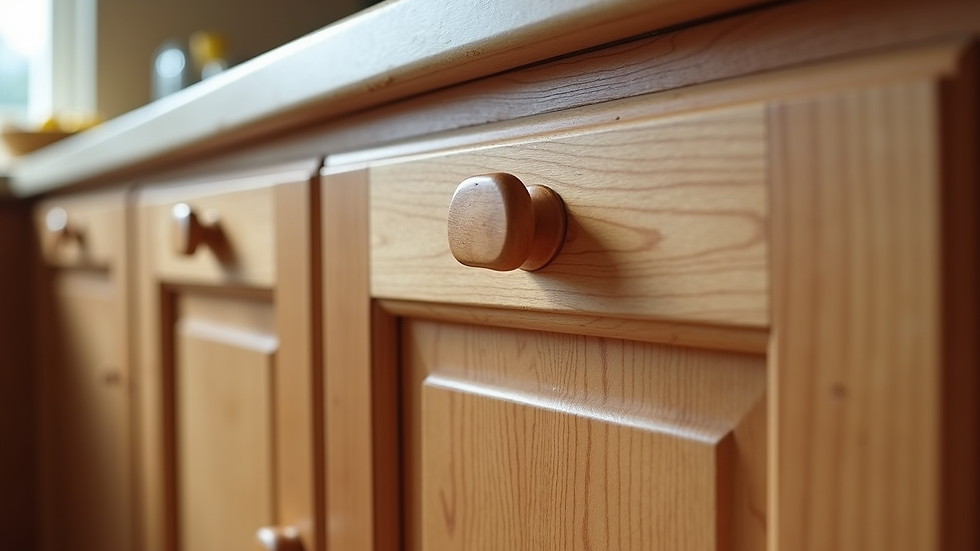
Understanding the Importance of Kitchen Cabinet Materials
Selecting the right kitchen cabinet materials is more than just an aesthetic choice. It directly impacts the functionality, longevity, and overall feel of the kitchen space. For example, a busy household with children might prioritize durability and ease of cleaning, while a homeowner focused on classic elegance might lean toward solid wood for its rich texture and ability to be refinished.
We also need to consider the environment where the cabinets will be installed. Kitchens are exposed to humidity, heat, and frequent use, so materials that resist warping, swelling, and staining are preferable. Additionally, the finish applied to the cabinets can enhance their resistance to these factors.
In terms of style, materials influence the design possibilities. Solid wood offers natural warmth and can be carved or shaped for traditional or rustic looks. Laminates and thermofoil provide sleek, modern finishes with vibrant colors or patterns. Plywood and MDF offer versatility as they can be painted or veneered to match various design themes.
By carefully weighing these factors, we can select the best kitchen cabinet materials that balance beauty, durability, and practicality.

What is the 1 3 Rule for Cabinets?
When planning kitchen cabinets, the 1 3 rule is a helpful guideline to create balanced and visually appealing cabinetry layouts. This rule suggests that the height of the upper cabinets should be approximately one-third the height of the lower cabinets plus the countertop.
For example, if the base cabinets and countertop together measure 36 inches in height, the upper cabinets should be about 12 inches tall. This proportion helps maintain harmony in the kitchen design and ensures that the cabinets do not overwhelm the space or appear too small.
Applying the 1 3 rule also aids in practical considerations such as reachability and storage capacity. Upper cabinets that are too tall can be difficult to access, while those that are too short may not provide enough storage. By following this rule, we can achieve a kitchen that is both functional and aesthetically pleasing.
Practical Tips for Choosing Kitchen Cabinet Materials
Choosing the right materials for your kitchen cabinets involves more than just picking what looks good. Here are some practical tips to guide us through the process:
Assess Your Lifestyle
Consider how often you cook, the number of people using the kitchen, and how much storage you need. For high-traffic kitchens, durable materials like plywood or solid wood with protective finishes are ideal.
Set a Realistic Budget
Materials vary widely in cost. Solid wood tends to be more expensive, while MDF and particleboard are budget-friendly. Remember to factor in the cost of finishes and hardware.
Think About Maintenance
Some materials require more upkeep. Solid wood may need periodic refinishing, while laminates and thermofoil are easier to clean but less repairable if damaged.
Match Your Design Style
Choose materials that complement your kitchen’s style. Rustic kitchens benefit from natural wood grains, while contemporary kitchens often look great with sleek laminates or painted MDF.
Consider Environmental Impact
If sustainability is important, look for materials sourced from responsibly managed forests or recycled content. Plywood and MDF can be eco-friendly options when certified.
Test Samples
Before making a final decision, request samples of materials and finishes. Seeing and feeling the textures in your kitchen’s lighting can help you visualize the final look.
By following these tips, we can confidently select materials that will serve us well and enhance the beauty of our kitchens.
Bringing It All Together: Making Your Kitchen Cabinet Choice
Choosing the best kitchen cabinet materials is a journey that combines style, function, and personal preference. Whether we lean toward the warmth of solid wood, the versatility of plywood, or the modern appeal of laminates, the key is to find a balance that fits our lifestyle and vision.
Remember, cabinets are a long-term investment in your home. Taking the time to understand the options and their implications will pay off in a kitchen that feels welcoming, works efficiently, and stands the test of time.
If you are ready to explore your options further, consider consulting with a professional who can provide personalized advice tailored to your space and needs. Together, we can create a kitchen that truly reflects your taste and enhances your daily living.
We hope this guide has illuminated the path toward selecting the perfect kitchen cabinet materials for your home. Your dream kitchen is within reach, and the right materials will help you bring it to life beautifully.


Comments